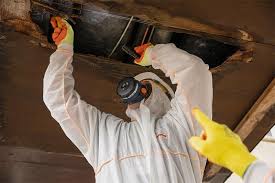
Asbestos is a hazardous material that was widely used in construction until the late 20th century. Despite its ban in many countries, older commercial buildings may still contain asbestos-containing materials (ACMs). Exposure to asbestos fibers can lead to serious health issues, including lung cancer, asbestosis, and mesothelioma. Therefore, it is crucial for building owners, managers, and contractors to understand the importance of conducting detailed asbestos survey before any renovation, maintenance, or demolition work.
What is a Detailed Asbestos Survey?
A detailed asbestos survey is a comprehensive inspection carried out by a qualified asbestos surveyor. Unlike a standard management survey, which is primarily concerned with identifying asbestos that may be disturbed during normal building use, a detailed survey provides in-depth information about the location, condition, and type of asbestos present. This survey helps create an accurate asbestos register and allows property managers to plan safe removal or management strategies.
Why Commercial Buildings Require Detailed Surveys
Commercial buildings, such as offices, schools, hospitals, and industrial sites, are often larger and more complex than residential properties. They may have hidden or hard-to-access areas where asbestos was used, including pipe insulation, floor tiles, ceiling panels, and roofing materials. A detailed survey ensures that all potential asbestos-containing materials are identified and assessed, reducing the risk of accidental exposure during routine operations or refurbishment projects.
Steps Involved in a Detailed Asbestos Survey
The process typically begins with a thorough visual inspection, followed by sampling and laboratory analysis to confirm the presence of asbestos. Surveyors will document each finding, noting the type, condition, and location of the material. They will also assess the risk of disturbance and provide recommendations for management, encapsulation, or removal. The findings are compiled into a detailed report, which is essential for regulatory compliance and future maintenance planning.
Benefits of Conducting Detailed Asbestos Surveys
One of the key benefits of a detailed asbestos survey is safety. It protects employees, contractors, and visitors from exposure to harmful fibers. It also ensures compliance with local health and safety regulations, avoiding potential fines and legal liabilities. Additionally, having a clear record of asbestos locations allows building owners to plan renovations or maintenance work efficiently, minimizing disruption and ensuring cost-effective management.
Conclusion
Detailed asbestos surveys are a vital part of managing older commercial properties. By identifying and assessing all asbestos-containing materials, these surveys protect health, ensure regulatory compliance, and provide valuable information for safe building management. Whether planning refurbishment or ongoing maintenance, investing in a professional asbestos survey is a critical step toward creating a safe and well-managed commercial environment.
One Response
The 777pubapp is alright. I loaded it up on my phone and it’s reasonably smooth. The graphics don’t amaze me, but it works as expected. Log in and play over at 777pubapp!